Health and Safety Policy for Removals Earls Court
 This health and safety policy sets out the standards and responsibilities that support safe, careful, and compliant removal services. Our approach to moving-day safety is based on planning, prevention, and clear communication. Whether a move involves household items, office furniture, or specialist equipment, the same principle applies: protect people, property, and wellbeing at every stage.
We recognise that safe removals depend on well-trained staff, suitable equipment, and a consistent working method. Every move is assessed for hazards such as heavy lifting, awkward access, unstable loads, slippery surfaces, and time pressure. By identifying risks early, the Removals Earls Court team can reduce avoidable incidents and maintain a professional standard throughout the job.
The policy applies to all employees, contractors, and anyone carrying out work on behalf of the business. It covers packing, loading, transport, unloading, storage handling, and site movement. Health and safety is not treated as a separate task; it is built into daily practice and reviewed regularly to keep the removal company operating safely and responsibly.
Core Safety Principles
All work must begin with a suitable and sufficient risk assessment. This includes checking access routes, stairs, lift use, parking conditions, weather, and the condition of items to be moved. The assessment should also consider the people involved, especially where children, pets, vulnerable adults, or other contractors may be present. A clear plan helps the moving team avoid rushed decisions and improves control on site.
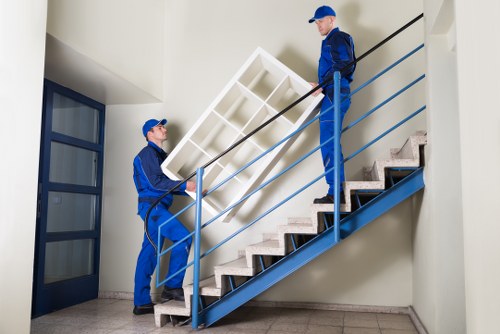
Manual handling is one of the main risks in the removals trade. Staff are expected to use correct lifting techniques, team lifts where needed, and mechanical aids such as trolleys, dollies, straps, and lift supports. Heavy or bulky items must not be handled alone if it would create a risk. The aim is to prevent strains, slips, and crush injuries while keeping the move efficient.
 Load security is another essential part of the policy. Vehicles must be packed so that items cannot shift during transit, fall, or become damaged. Fragile goods require appropriate wrapping and positioning, while heavier items should be placed to create balance. These steps protect the removals service, the goods being transported, and other road users.
Training, Equipment, and Work Practices
All personnel must receive relevant training before undertaking work unsupervised. Training covers safe lifting, safe driving, handling of fragile or valuable items, emergency response, and the correct use of personal protective equipment. Refresher training should be provided when procedures change or when a risk review shows that additional support is needed. A capable relocation team is one of the strongest controls against accidents.
Suitable equipment must be available, maintained, and used correctly. This includes gloves, safety footwear, straps, ramps, protective coverings, and packing materials. Equipment should be inspected before use and removed from service if damaged. No item of equipment should be used in a way that exceeds its intended purpose, as improper use can create unnecessary hazards.
The middle of any move is often the most demanding phase, so attention to fatigue, communication, and pace is important. Team leaders should monitor workload and ensure breaks are taken where needed. Staff should feel able to raise concerns if a task becomes unsafe or if conditions change unexpectedly. Good communication supports a safer house removal policy and reduces the chance of error.
Risk Control During Loading and Transport
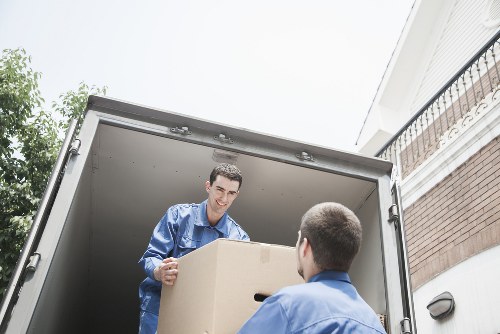
During loading, the workforce must keep walkways clear and protect floors, walls, and doorframes from damage. Items should be lifted and carried in a controlled manner, with one person guiding and another supporting where appropriate. Hazardous conditions such as poor lighting, wet surfaces, loose cables, or unstable stacking must be addressed before work continues.
Transport safety includes observing road traffic laws, securing the load before departure, and driving at appropriate speeds for the conditions. Drivers must remain fit for duty and should not continue if tired, unwell, or distracted. Vehicles should be checked for roadworthiness, including tyres, lights, mirrors, and securing points. Safe transport is a core part of a dependable moving service.
 Where hazardous items are discovered, they must be identified and managed in line with relevant procedures. This may include isolation, specialist handling, or refusal to move if the item presents unacceptable danger. The policy requires staff to report unsafe goods or unexpected issues immediately so that the correct action can be taken without delay.
Incident Reporting and Continuous Improvement
Any accident, near miss, injury, property damage, or equipment failure must be reported promptly and recorded accurately. Reporting is not about blame; it is about learning, correcting weaknesses, and preventing repeat events. Managers should review incident trends and update procedures where necessary to strengthen the overall removals safety policy.
Emergency procedures must be understood by all staff. These include responding to injury, fire, vehicle breakdown, and hazardous spillages. First aid arrangements should be in place, and staff should know how to seek help quickly if a serious incident occurs. Clear action in an emergency protects everyone involved and supports a calm, organised response.
We also encourage regular review of working methods, especially when introducing new packing materials, larger vehicles, or different types of property access. A policy that remains static becomes less effective over time. Continuous improvement helps the removal specialists maintain high standards and meet changing operational demands.
Responsibilities and Compliance
 Management is responsible for providing safe systems of work, appropriate supervision, and the resources needed to implement this policy. Staff are responsible for following instructions, using equipment correctly, and reporting concerns. Everyone must cooperate to maintain a safe environment and protect the wellbeing of colleagues, clients, and the public.
This policy should be read alongside all other relevant workplace procedures, including manual handling rules, vehicle checks, and incident reporting processes. It applies equally to planned and short-notice jobs, as safety standards must remain consistent regardless of schedule pressure. Professional moving and handling practices reduce risks and improve service quality.
 By keeping health and safety central to every stage of the work, Removals Earls Court supports reliable operations, safer moving days, and better outcomes for everyone involved. The commitment to safe removals is ongoing and must be reflected in daily decisions, team coordination, and the careful treatment of every item entrusted to the business.